
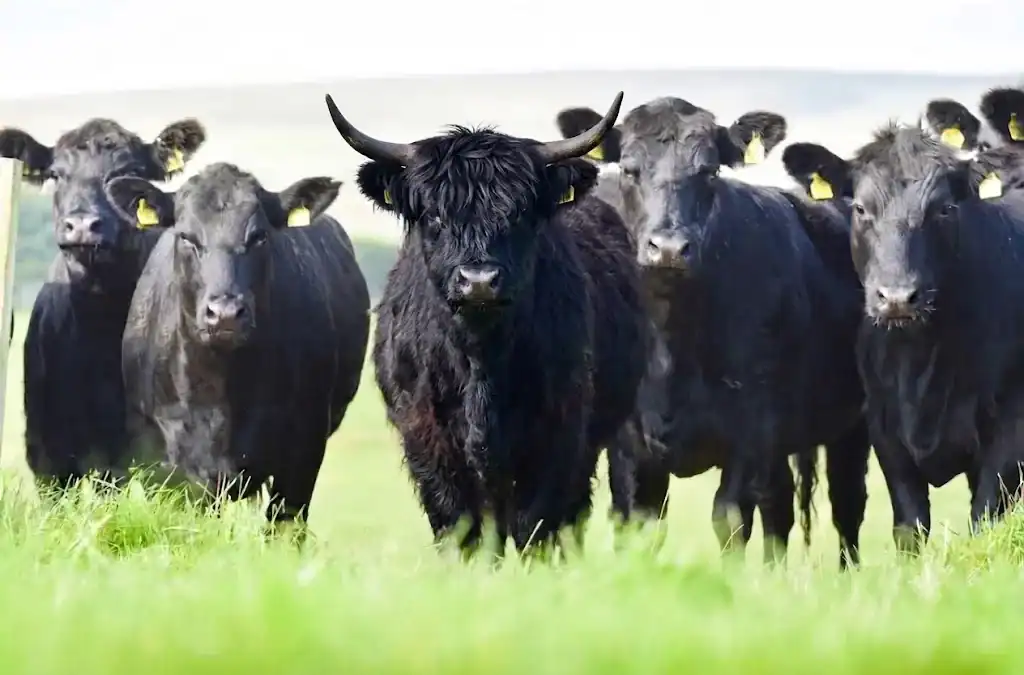
“Premium quality ingredients.” “The finest beef available.” Every burger place says some version of this. None of them say which breed, which farm relationship, or what “dry-aged” actually means for the meat on your plate. The Fat Bull Co. uses Aberdeen Angus beef, dry-aged, and ground in house daily. Here is exactly what that means and why it matters.
Why “Premium Quality” Means Nothing Without Specifics
“Premium quality ingredients” is a claim. It is not information. Every burger menu in Cyprus uses some version of this phrase, and none of them say what it means in practice: which breed, which fat ratio, how the meat is aged, or who supplies it.
The Fat Bull Co. uses Aberdeen Angus beef. It is dry-aged. It is ground in house, daily, not delivered pre-ground from a supplier. Those are three specific, checkable facts. This article exists to put them on record.
What Dry-Aging Actually Does to the Meat
Dry-aging is a controlled process: beef is held in a temperature- and humidity-regulated environment for an extended period before it is cut and ground. Two things happen during that time. Natural enzymes break down muscle fibre, which is what makes the meat more tender. Moisture evaporates from the surface, which concentrates the flavour of what remains.
This is the opposite of how mass-market burger beef is usually handled. Most fast-food and budget burger beef is wet-processed and ground fast, sometimes the same day it is delivered, to maximise shelf life and minimise labour. Dry-aging takes longer, costs more, and produces a noticeably different result. Peer-reviewed food science research has shown that moisture evaporation during dry-aging concentrates flavour precursors, producing a more intense and rounded aroma than wet-aged beef achieves. See the Journal of Food Science review on dry-aged beef for the full mechanism.
Why Aberdeen Angus, Specifically
Dry-aged beef and standard, fresh-ground beef are not the same product. The table below shows where the difference actually comes from.
| Standard Fresh Beef | Dry-Aged Beef | |
|---|---|---|
| Processing | Wet-processed and ground fast, often the same day it arrives | Held in a temperature- and humidity-controlled environment for an extended period before grinding |
| Texture | Tender only to the degree the cut itself allows | More tender, as natural enzymes break down muscle fibre over time |
| Flavour | Milder, closer to the raw flavour of the cut | Deeper and more concentrated, as moisture evaporates and flavour compounds intensify |
| Cost and Time | Lower cost, faster turnaround | Higher cost, longer lead time, due to storage space and handling |
Aberdeen Angus is a cattle breed known for natural marbling, the streaks of intramuscular fat that render during cooking and carry flavour through the meat. Fat ratio is not an accident in a Fat Bull patty. It is a deliberate choice that starts with the breed, not something corrected for later with additives or fillers.
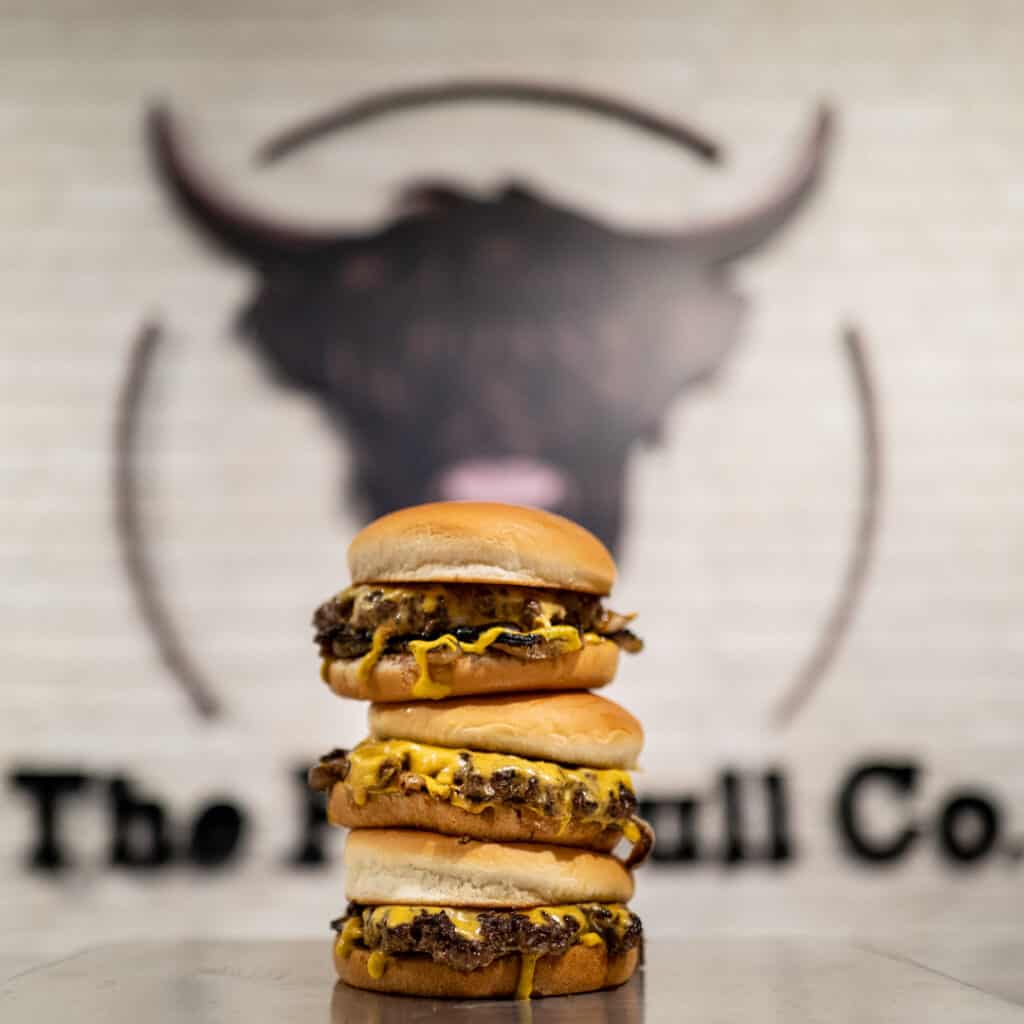
Naming the breed is a small thing that most places skip. “Premium beef” could mean almost anything. Aberdeen Angus means something specific, and it is why the marbling, and the flavour that comes with it, stays consistent every time.
Ground In House, Daily: What That Phrase Actually Means
“Ground in house daily” has sat on the Fat Bull homepage as a claim for some time. Here is what it means in practice: beef arrives in primal cuts, not pre-ground patties. It is ground fresh on-site, in small batches, the same day it is cooked. Nothing sits pre-ground in a walk-in for days waiting to be used.
This matters for two reasons. Freshly ground beef oxidises and loses flavour faster than most people realise, and grinding daily avoids that decline entirely. And in-house grinding means fat content and texture are controlled directly by Fat Bull’s own kitchen standard, not set by a third-party supplier’s default ratio. That control is what makes the Fit Bull’s lean, high-protein build possible without sacrificing flavour, covered in full in the Fit Bull protein burger article.
Here is the same comparison laid out directly.
| Industry Norm | Fat Bull Standard | |
|---|---|---|
| Beef Arrives As | Pre-ground patties from a supplier | Primal cuts, ground on-site |
| Grinding Schedule | Days before use, held in storage | Same day it is cooked, in small batches |
| Fat Ratio Control | Set by the supplier’s default | Set directly by Fat Bull’s own kitchen standard |
| Flavour Impact | Beef oxidises and loses flavour the longer it sits pre-ground | Flavour stays intact, with no pre-ground decline |
Why This Is Rare in Cyprus, Specifically
Dry-aging is not common practice for burger beef in Cyprus. It is far more often associated with steakhouses, where a single aged cut goes straight to the grill. Applying the same standard to ground beef, the kind that actually goes into a burger patty, takes more time, more storage space, and more handling than most kitchens are set up for.
It is easier, and cheaper, to buy pre-ground beef from a supplier and skip the aging step entirely. Most places do exactly that. The Fat Bull Co. does not, because the difference shows up in the finished burger: a deeper flavour and a better bite than a fresh, unaged patty can produce.
Same Standard, Both Locations
This is not a Limassol-only or Nicosia-only standard. The Fat Bull Co. runs the same Aberdeen Angus sourcing and the same daily in-house grinding across both branches. The same standard is behind the patty in the Best Burger in Nicosia as it is in Limassol. Same beef. Same process. Same result, wherever you order.
Frequently Asked Questions
Where does dry-aged beef come from?
Dry-aged beef starts as the same cuts as any other beef. The difference is what happens after. At The Fat Bull Co., the beef is Aberdeen Angus, held through a controlled dry-aging process before it is ground in house daily, rather than arriving pre-ground.
What is Aberdeen Angus beef?
Aberdeen Angus is a cattle breed recognised for natural marbling, fine streaks of fat running through the muscle that render during cooking and carry flavour through the meat. It is one of the most widely recognised beef breeds globally for this reason.
Why is dry-aged beef more expensive?
Dry-aging takes time, controlled storage conditions, and results in some natural moisture loss, all of which add cost compared to fast wet-processed beef. The trade-off is concentrated flavour and improved tenderness that fresh, unaged beef cannot match.
Is dry-aged beef better than fresh beef?
“Better” depends on what you are optimising for. Dry-aged beef trades a small amount of yield and time for a deeper, more concentrated flavour and improved tenderness. For a burger patty specifically, where flavour density matters more than presentation, dry-aging is the stronger choice.
Does The Fat Bull Co. use real Aberdeen Angus beef?
Yes. Aberdeen Angus is the breed used across both the Limassol and Nicosia locations, dry-aged and ground in house daily rather than sourced pre-ground.
What does “ground in house daily” actually mean?
It means beef arrives in primal cuts, not pre-ground patties, and is ground fresh on-site in small batches the same day it is cooked. No pre-ground beef sits in storage waiting to be used. Fat ratio and texture stay under direct kitchen control rather than a supplier’s default.
The Beef Behind Every Fat Bull Burger
Aberdeen Angus. Dry-aged. Ground in house, daily. Not a slogan but a process, and now you know exactly what it involves.